A first letting almost always starts the same way: furniture, a coat of paint, a new carpet, then a scramble in the last week to work out what’s actually required by law. That’s the wrong order — everything here is cheaper bought calmly a month before a tenancy than found missing during an inspection or a claim.
This pairs the picks from guides already on this site — alarms, key safes and fire blankets each have a dedicated guide going into more depth, linked throughout — with two items that don’t get their own compliance chapter but quietly decide a deposit dispute: something to record condition properly, and something to catch a problem while nobody’s living there.
What this doesn’t cover is paperwork that has to be a certificate from a qualified person — gas safety, EICR, EPC. Those are linked at the end. Here’s what I’d put in a basket, job by job.
The one I’d buy first
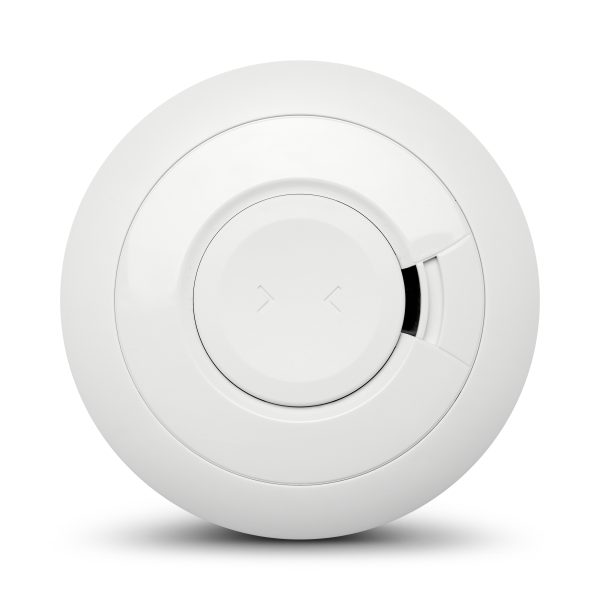
Aico Ei650iRF smoke alarm
The one genuine legal minimum with no exceptions: a smoke alarm on every storey used as living accommodation, a private-landlord duty since 2015. The Ei650iRF is what letting agents and housing associations standardise on — RadioLINK+ wireless interlink joins up to twelve alarms with no rewiring, a sealed 10-year lithium battery closes off the most common failure (a missing battery), and it’s the alarm the rest of this kit’s fire detection is built around.
Typically £55–£75
Check price on AmazonHow I’d prioritise a first-time landlord kit
Statutory items go in first, no argument. A smoke alarm per storey and a CO alarm wherever there’s a fixed combustion appliance carry a fine attached — up to £5,000 per breach. Everything else here is best practice or evidence, not a legal minimum.
Certification over the word on the packaging. EN 50291 for CO, BS EN 14604 for smoke, BS 5446-2 for heat, BS EN 1869 for a fire blanket, LPS 1175 for a key safe worth calling secure — every pick below carries the relevant one.
Evidence beats memory in a dispute. A deposit scheme adjudicator wants dated proof — timestamped photos, a recorded note of condition, a humidity log — not a landlord’s recollection of how clean the oven was. Two cheap items here exist purely to generate that record.
A void property fails quietly. A frozen pipe, a fridge left running, damp building in an empty flat — none of it announces itself until the next viewing or the next complaint. The cheapest item here exists to catch exactly that.
The comparison
| Product | Job | Typical price | Best for | |
|---|---|---|---|---|
| Aico Ei650iRF | Smoke detection | ~£55–£75 | The one legal minimum with no exceptions | View |
| Aico Ei630iRF | Kitchen fire detection | ~£55–£65 | Heat, not smoke, where cooking happens | View |
| Kidde 10LLDCO | Carbon monoxide | ~£23–£30 | The other legal minimum | View |
| Supra C500 Pro | Key access | ~£65–£75 | Certified, insurer-recognised key safe | View |
| Firechief Premium Fire Blanket | Kitchen fire response | ~£18–£22 | The cheapest genuinely useful item here | View |
| Sony ICD-PX470 | Recording condition | ~£45–£65 | A dated, spoken record of a check-in | View |
| Stanley FatMax 8m | Recording condition | ~£20–£28 | Accurate room and furniture dimensions | View |
| SwitchBot Meter Plus | Condensation risk | ~£15–£22 | The display a tenant will actually look at | View |
| TP-Link Tapo P110 | Energy use, voids | ~£9–£15 | Cheapest way to check what a void is costing | View |
Smoke and heat detection
Aico Ei650iRF smoke alarm
Best overall — the wireless interlink most letting agents already expect; my top pick above
One smoke alarm per storey is a private-landlord duty dating to 2015, not the 2022 regulations most people credit it to. The Ei650iRF is what social landlords and agents standardise on: RadioLINK+ wireless interlink covers up to twelve alarms with no cable pulled, a sealed 10-year battery removes the most common cause of a dead alarm, and it interlinks directly with the heat alarm below. More on interlink rules and alternatives is in the smoke and heat alarm guide.
For
- Covers the one universal legal minimum with no exceptions
- Sealed 10-year battery, no compartment to raid or forget
- Interlinks directly with the Ei630iRF heat alarm
Against
- Doesn’t belong in the kitchen — steam sets it off
- No display; AudioLINK+ needs the hardware add-on to read
Typically £55–£75
Check price on AmazonAico Ei630iRF heat alarm
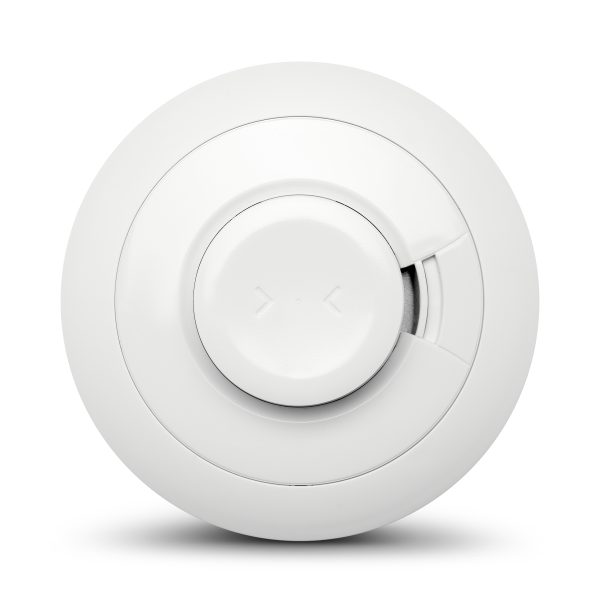
The kitchen partner to the Ei650iRF — heat, not smoke, where cooking happens
A heat alarm triggers on a genuine temperature rise, not particles in the air, which is why the kitchen gets this instead of a smoke alarm — steam off a pan would trip a smoke sensor often enough that someone pulls the battery. It shares the Ei650iRF’s RadioLINK+ protocol and joins the same mesh out of the box. Not a national legal requirement, but BS 5839-6 recommends it and many HMO licences make it compulsory in practice.
For
- Correct sensor type for a kitchen — no cooking false alarms
- Interlinks straight onto the Ei650iRF’s mesh
- Sealed 10-year lithium, BS 5446-2:2003 Kitemarked
Against
- Only useful once you’ve committed to the Aico ecosystem
- Not a smoke sensor — won’t cover the rest of the flat
Typically £55–£65
Check price on AmazonCarbon monoxide
Kidde 10LLDCO carbon monoxide alarm

The other statutory item — any room with a fixed combustion appliance, gas cookers excepted
Since October 2022, a CO alarm is a legal requirement in any room with a fixed combustion appliance — gas cookers excepted — with fines up to £5,000 per breach. The 10LLDCO is EN 50291-1 and Kitemark certified, with a sealed 10-year battery and a digital display with peak-level memory, turning “it went off while the boiler was running” into a stored number rather than an anecdote. The carbon monoxide detector guide covers further options.
For
- EN 50291-1 and Kitemark certified, 10-year sealed battery
- Digital display with peak-level memory, not just a siren
- Covers the second statutory duty on this list
Against
- Needs repositioning if a combustion appliance moves rooms
- Display only helps if someone occasionally reads it
Typically £23–£30
Check price on AmazonKey access for contractors and viewings
Supra C500 Pro key safe

No legal duty, but the one agents, out-of-hours contractors and insurers already expect
No statutory requirement for a key safe, but a letting agent handing keys to a gas engineer without a landlord driving over, or an insurer that treats an uncertified box as a weak point, makes one an early purchase. The C500 Pro is the only option here tested to LPS 1175 Issue 8 A5, carrying Secured by Design’s Police Preferred badge — what an insurer actually checks for. Budget alternatives are in the key safes guide.
For
- LPS 1175 Issue 8 A5, Secured by Design Police Preferred
- Unlimited resettable codes, no battery to fail
- Holds up to six keys — front door plus a communal fob
Against
- The priciest item on this list by a small margin
- Needs solid masonry behind it to fix properly
Typically £65–£75
Check price on AmazonKitchen fire response
Firechief Premium Kitemarked Fire Blanket, 1.2m

Cheapest genuinely useful item here, and the one every kitchen should have regardless of what else is fitted
Cooking is still the most common cause of accidental house fires, and no single national law forces every let to carry a blanket — the Fire Safety Order 2005 covers shared and converted buildings, and old LACORS guidance most councils still inspect HMOs against expects one in every kitchen. At around £20 the grey area shouldn’t matter: 1.2m x 1.2m, Kitemark certified to BS EN 1869, no training needed — pull the tabs, cover the pan, switch off the heat. Certified extinguishers, and what never to do with water on a fat fire, are in the fire blankets guide.
For
- Kitemark certified to BS EN 1869
- Large enough for a full-size pan, not just its edges
- No training needed — pull, cover, switch off
Against
- Single-use — needs replacing once it’s smothered a fire
- Does nothing for a fire behind a wall or inside an appliance
Typically £18–£22
Check price on AmazonRecording the property’s condition
Sony ICD-PX470 digital voice recorder

A dated, spoken record of a check-in walkthrough, in your own words rather than a memory of it
Deposit disputes turn on evidence of condition at the start of a tenancy, and “the carpet was already marked” recalled six months later rarely survives an adjudicator’s scrutiny the way a dated recording does. Walking every room narrating what’s there — a scuff, a working extractor fan — takes ten minutes and produces a timestamped file alongside whatever photos get taken. Wide stereo mics cope with an empty room’s echo, AAA batteries mean it’s never flat when it matters. More on what matters in a recorder is in the dictaphone guide, written for survey dictation but the same job here.
For
- Produces a dated, spoken record separate from a phone
- Wide stereo mic copes with an empty room’s echo
- AAA-powered — never dead on a charger when it matters
Against
- Still needs typing up or filing alongside photos to be useful in a dispute
- No noise cancellation to match pricier recorders
Typically £45–£65
Check price on AmazonStanley FatMax 8m tape measure (0-33-728)

Accurate room and furniture dimensions — the detail an inventory app or a memory gets wrong
Plenty of inventory disputes are about what was actually there and whether it fits — a tenant’s own furniture replacing a landlord’s, a claimed stain outside the room reported. A proper tape measure earns its place for that: real room dimensions recorded at check-in rather than guessed, noted in the same walkthrough as the recording above. The default professional tape in Britain, 32mm blade, a case that survives being dropped — more in the tape measures guide.
For
- Wide blade with genuinely useful standout for one-person use
- Case survives being dropped or left in a toolbox
- Decades of consistent owner feedback
Against
- Only as useful as the note taken alongside the measurement
- One more thing to carry to a check-in
Typically £20–£28
Check price on AmazonCondensation and damp risk
SwitchBot Meter Plus

The one to actually leave with a tenant — a display readable across the room, not just a logger
The Homes (Fitness for Human Habitation) Act 2018 puts damp and mould within a landlord’s repairing obligations, and recent policy attention on the subject makes a documented, proactive approach more sensible than waiting for a complaint. Left in a bedroom or bathroom, this does two jobs: a three-inch display readable across the room nudges a tenant toward opening a window, and 68 days of on-device logging with CSV export gives real data if a damp complaint arrives, rather than a dispute about whose fault it was. More on placement is in the hygrometer guide.
For
- Large display a tenant will actually glance at and act on
- 68-day on-device memory, CSV export if evidence is needed
- Quality Sensirion sensor, honest ±2% RH claim
Against
- Remote alerts away from the property need a separate hub
- Only useful if someone reads it or exports the log periodically
Typically £15–£22
Check price on AmazonEnergy use and void periods
TP-Link Tapo P110 smart plug

Cheapest way to check what a void property, or a specific appliance, is actually costing
A first property is often empty for a stretch before the first tenant moves in, and an empty property still has things plugged in — an immersion heater left on, a fridge running for the next viewing. The Tapo P110 plugs inline, connects over wifi in minutes with no electrician, and logs that one socket’s consumption by the hour, day and month. It only sees the one socket — the home energy monitor guide covers whole-house options once there’s a specific question worth spending more to answer.
For
- Genuinely cheap, no ongoing cost, no electrician
- Five-minute setup, checkable remotely from the app
- Catches exactly the kind of thing a void property hides
Against
- One socket only — no whole-house picture
- 13A/2990W maximum load, indoor use only
Typically £9–£15
Check price on AmazonWhat actually matters — and what doesn’t
Know which items are the law and which are best practice. The smoke alarm and CO alarm are the only two with a statutory duty and a fine behind them. Everything else — key safe, blanket, recorder, tape measure, hygrometer, plug — is expectation or evidence, useful but not something a council prosecutes over.
This isn’t the whole compliance picture. A gas safety certificate, an EICR and, usually, an EPC are all certificates a qualified person has to issue — no product fixes that gap. Budget for them alongside this kit, not instead of it.
An HMO licence changes several answers here at once. Councils commonly specify a fire detection standard against BS 5839-6, which can make an interlinked heat alarm compulsory regardless of the national Alarm Regulations, and licence conditions often name a fire blanket explicitly. Check the licence schedule before assuming the single-let minimum above is enough.
Buy once, buy certified. An uncertified alarm, an unrated key safe or a CE-only blanket look identical to the certified versions and cost a little less. None survive scrutiny from an inspecting officer or adjudicator the way the Kitemarked, EN-rated versions above do.
Questions I get asked
What's the minimum I legally have to buy? A smoke alarm on every storey, and a CO alarm in any room with a fixed combustion appliance other than a gas cooker. Those two carry a statutory duty; everything else here is best practice or evidence-gathering.
Do I need all nine before the first tenant moves in? The two alarms, yes. The key safe and fire blanket are worth having from day one too, both cheap and commonly expected by agents and insurers. The recorder, tape measure, hygrometer and smart plug matter most at check-in and during any void, so they can wait until just before.
What about gas safety, an EICR and an EPC — why aren't they here? None are a product. A gas safety certificate needs a Gas Safe engineer, an EICR a qualified electrician, an EPC an accredited assessor — services with their own statutory timescales. See gas safety certificate costs, EICR costs and EPC costs.
Is a fire risk or legionella assessment something I buy separately? Usually a service, and whether you need one depends on the property — fire risk assessment is mostly an HMO duty, while legionella applies to every landlord but many can self-assess a simple system for free. Fire risk assessment costs and legionella assessment costs cover both.
This kit gets a property to the point of being let-ready, but it doesn’t replace an actual look at the building’s condition — a Buy to Let Survey covers compliance gaps and structural condition together, worth booking before rather than after a problem shows up. Get in touch, and there are more field-kit guides for anything not covered above.
Small print. This guide is general information, not advice on your specific property, licence conditions or insurance policy, and does not replace checking your local authority's requirements or a competent professional's judgement for any certificate-based compliance item. Prices are indicative, move constantly and were checked at the time of writing; the linked page always shows the current price. As an Amazon Associate I earn from qualifying purchases.