Draught-proofing is the cheapest thing on an EPC recommendation report, and usually the one homeowners actually go and do. A worn door seal, an unused chimney still pulling air up it, a loft hatch with a gap all the way round — none of it costs much or needs a tradesman. It needs buying the right product for the actual gap, not one tub of mastic and good intentions.
One thing worth saying first: draught-proofing and ventilation are not the same job. A trickle vent, air brick or extractor fan is doing a job on purpose — sealing it up along with the gaps you actually want gone is how well-intentioned draught-proofing makes a house worse, not better. Everything below targets gaps that are there by accident: doors, hatches, an unused chimney, a letterbox and keyhole never meant to be airtight.
Here’s what I’d buy, job by job — not ranked against each other, since the right product depends on which gap it’s going into.
The one I’d buy

Stormguard Self-Adhesive Brush Pile Draught Excluder, 5m
A 5-metre roll of self-adhesive brush pile is the cheapest, most flexible fix here, and the one I’d start with whichever job is worst. It goes into the same 3–5mm gap usually letting draughts past a hinged door, sliding window or loft hatch edge, and one roll covers more than one opening. Buy two or three — most houses need more than one.
Typically £4–£7 per 5m roll
Check price on AmazonHow I’d prioritise a draught-proofing kit
Accidental gaps first, deliberate ventilation never. A gap around a door, hatch or unused chimney is there by accident. A trickle vent, air brick or extractor fan is doing a job on purpose — sealing it up too is the most common way draught-proofing goes wrong.
Match the seal to the gap. Brush pile tape suits 3–5mm; a bottom door seal handles up to 25mm; a loft hatch needs a seal rated for that frame. The wrong product for the gap size is why most draught-proofing jobs don’t work.
An unused chimney is usually the best single job here. A flue that isn’t swept, lined or lit is one of the largest uncontrolled openings in an ordinary house, and sealing it is often the biggest-feeling improvement here for the lowest cost — provided it’s genuinely not in use.
Small, cheap fixes add up. A letterbox brush and keyhole cover together cost less than one glazing film kit, and both sit at head height in rooms people stand in. Don’t skip them for one bigger-ticket item.
Don’t expect an EPC-band jump from any of it. Draught-proofing is nearly always the cheapest recommendation on an EPC report, cost-effective almost by definition — but the SAP points it earns are modest. Worth doing regardless; it rarely moves the letter alone.
The comparison
| Product | Job | Typical price | Best for | |
|---|---|---|---|---|
| Stormguard Brush Pile, 5m | Doors & windows | ~£4–£7 | Cheapest all-round fix | View |
| Stormguard Bottom Door Seal | Doors | ~£10–£13 | Gap under the door | View |
| Stormguard Glazing Film, 6sqm | Windows | ~£10–£15 | Single-glazed windows this winter | View |
| Chimney Sheep, Round 12in | Chimney | ~£22–£26 | Reusable, removes in seconds | View |
| Chimney Balloon, Large | Chimney | ~£20–£28 | Blocks the most airflow | View |
| Stormguard Loft Hatch Seal | Loft hatch | ~£8–£12 | Gap around the hatch frame | View |
| Cylinder Jacket, 80mm | Hot water cylinder | ~£33–£45 | Older cylinder, no factory jacket | View |
| Stormguard Letterplate Brush | Letterbox | ~£13–£16 | The letterbox itself | View |
| Stormguard Keyhole Cover | Keyhole | ~£5–£8 | Cheapest individual fix here | View |
| Radflek Reflector, 3 Sheet Pack | Radiators | ~£20–£23 | External-wall radiators only | View |
Doors
Stormguard Self-Adhesive Brush Pile Draught Excluder, 5m
Best all-round — the cheapest fix for the 3–5mm gap around most doors and windows
The same product as the top pick above, repeated here because it belongs in the doors section as much as anywhere else: self-adhesive brush pile that sticks onto a clean, dry frame. Rated for gaps of 3–5mm, covering most hinged and sliding doors that have worn or shrunk slightly over a few decades, in black, brown, grey or white. A 5m roll covers one door frame with some left over; buy two or three for a whole house’s worth of doors.
For
- Cheapest fix in this list
- Works on doors and windows both
Against
- Only suits gaps up to about 5mm
- Needs a clean, dry surface
Typically £4–£7 per 5m roll
Check price on AmazonStormguard Self-Adhesive Brush Bottom Door Seal

Best for the gap under the door — where brush pile tape alone doesn’t reach
The gap under a door is usually bigger than the gap around its edges, and brush pile tape alone won’t close it. This dedicated bottom seal — a PVC-housed brush strip self-adhesive to the base of the door — is rated for gaps up to 25mm, covering most doors that have dropped on their hinges or were hung with generous clearance over the carpet. A 1m length, cut to fit, in white, brown, grey or clear. Won’t survive a stone threshold indefinitely, but suits an internal or lightly-used external door well.
For
- Handles gaps up to 25mm, well beyond brush pile tape’s range
- Cut-to-fit 1m length suits most door widths
Against
- Self-adhesive backing wears faster on a heavily-used external door
- Doesn’t suit a door that already drags on the carpet
Typically £10–£13
Check price on AmazonWindows
Stormguard Seasonal Double Glazing Film, 6 sqm

Best for a single-glazed window this winter — a temporary secondary-glazing effect
This isn’t insulation and it isn’t a permanent fix — a sheet of film taped around a window frame and shrunk drum-tight with a hairdryer, creating a sealed air gap that behaves a little like secondary glazing for the season. Covers up to four windows per 6 sqm kit and comes off cleanly in spring, no residue. On a single-glazed sash it buys real comfort for a few pounds; not a substitute for actual secondary or double glazing year-round — see the double glazing cost guide for that comparison.
For
- Genuinely helps on a cold single-glazed window
- One kit covers up to four windows
Against
- Seasonal only, not permanent
- Doesn’t open — inconvenient for ventilation
Typically £10–£15 per 6 sqm kit
Check price on AmazonChimney
Chimney Sheep Round Chimney Draught Excluder, 12in
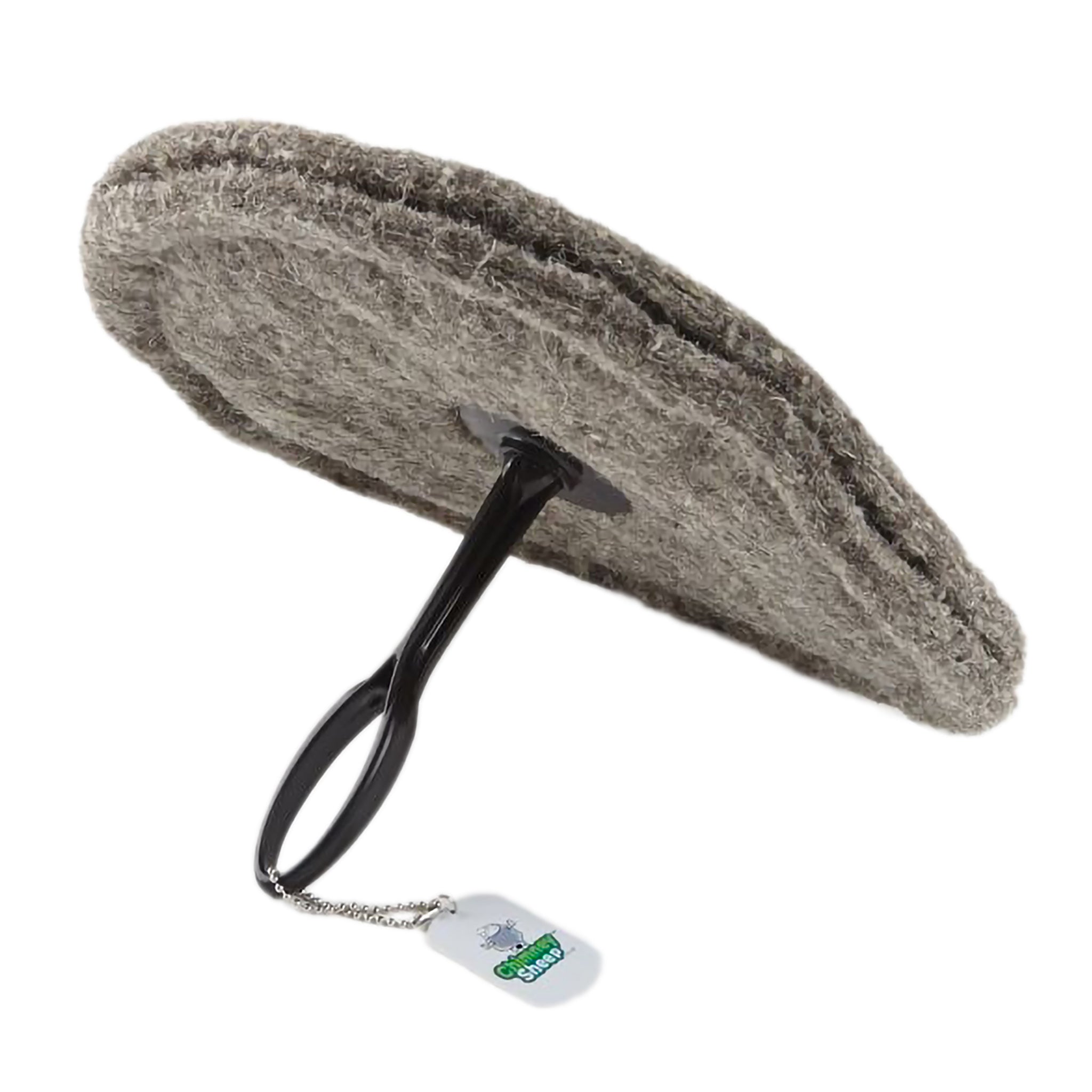
Best reusable option — a wool pad on a handle, in and out in seconds
A felted wool pad on a rigid handle, pushed into the flue and pulled back out whenever the fire’s lit — no inflation, nothing left behind to forget. Herdwick sheep’s wool, treated to resist moths, sized for a standard 12in flue; other sizes cover other openings. Suits an occasional fireplace, where pulling it straight back out matters more than the last percentage of airflow blocked.
For
- No inflation, removes in seconds
- Reusable for years, moth-treated wool
Against
- Costs more than the inflatable balloon below
- Only fits the flue size it’s bought for
Typically £22–£26
Check price on AmazonChimney Balloon Draught Excluder, Large (14 x 38in)
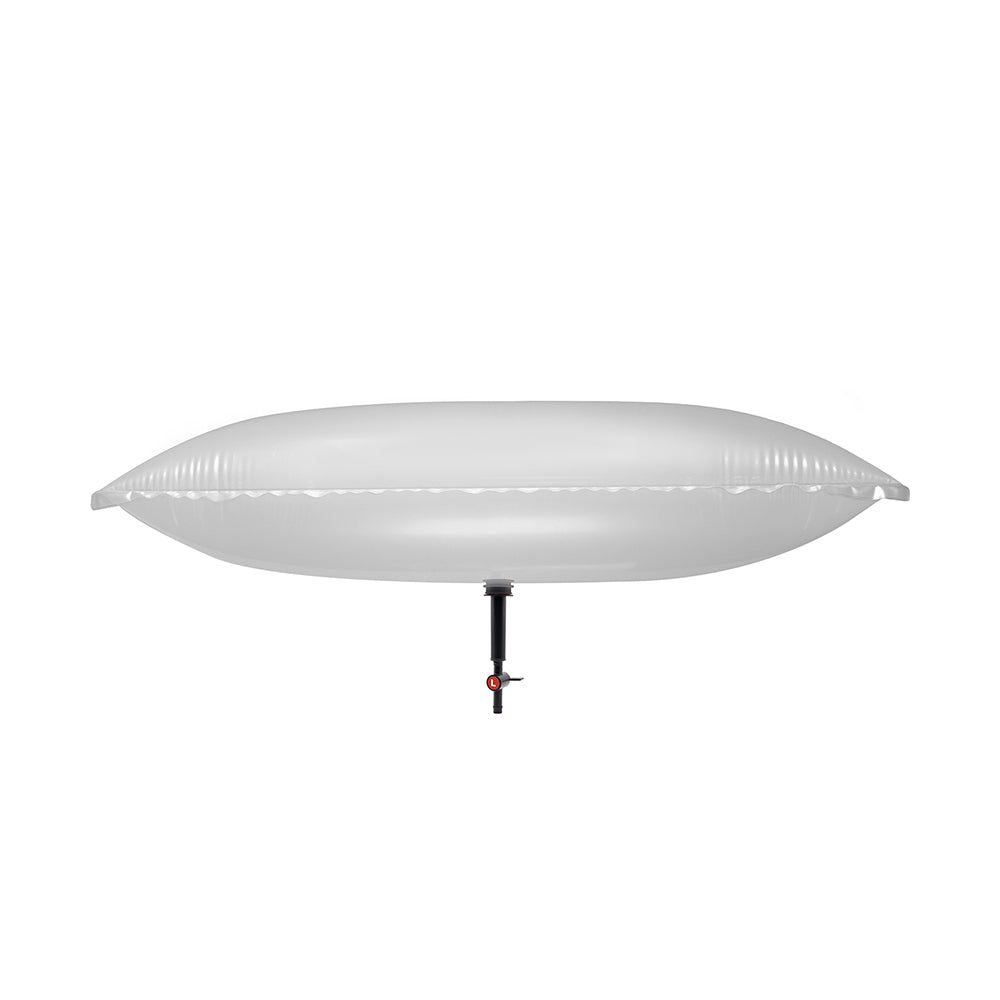
Best for blocking the most airflow — an inflatable pillow with no fixings
Where the wool pad trades airflow for convenience, this trades a fiddlier fit for more of it: an inflatable PVC balloon blown up by mouth once positioned in the flue, tested to block the large majority of chimney airflow. Nothing to fix or glue — it wedges under its own pressure — and deflates for storage between uses. Remember it like any chimney excluder: nothing goes up that flue, and nothing gets lit, while it’s in place.
For
- Blocks more airflow than a wool pad
- No fixings, wedges in under its own pressure
Against
- Needs inflating and positioning by hand each time
- A forgotten balloon in a lit flue is a genuine hazard
Typically £20–£28
Check price on AmazonLoft hatch
Stormguard Around Loft Hatch Draught Excluder
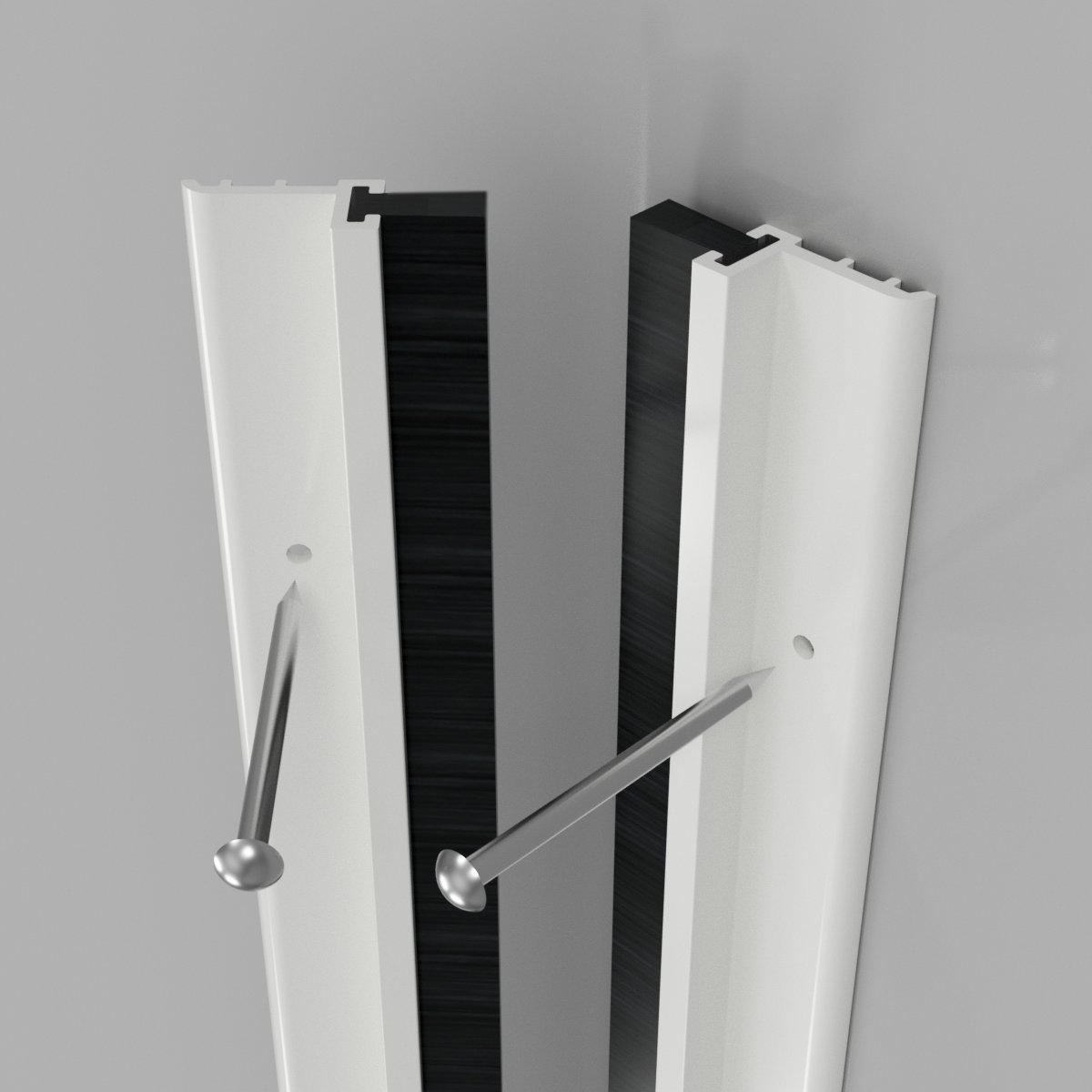
Best for the gap around a loft hatch — a common EPC recommendation on its own
A loft hatch is rarely built to a door’s tolerance, and the gap round the frame is one of the more common items on an EPC recommendation report. Four lengths of brush-in-PVC-housing seal, pinned around the hatch frame, rated to close gaps up to 7mm — enough for the ordinary worn or slightly undersized hatch, not one badly warped. Sold in small and large sizes, white or brown.
For
- Purpose-made for a loft hatch, not adapted from a door product
- Two sizes cover most hatch openings
Against
- Closes gaps only up to 7mm
- Pinned fixing, not peel-and-stick
Typically £8–£12
Check price on AmazonHot water cylinder
Hot Water Cylinder Jacket, 80mm (BS 5615)
Best for an older cylinder without a factory-fitted insulation layer
This is the one item here I wouldn’t send anyone to a specific brand for — a cylinder jacket is a commodity, and the numbers that matter are on the base of the cylinder, not the box. Buy an 80mm jacket kitemarked to BS 5615, measure the cylinder first, and check the size band covers it; most are a four-piece wrap, on in about twenty minutes without draining the system. A cylinder with no jacket, or an old flattened one, loses heat round the clock — a quietly expensive gap for something this cheap to fix.
For
- One of the cheapest genuine energy-saving fixes in a typical house
- Cuts standing heat loss around the clock, not just at the boiler
Against
- Only helps a vented cylinder, not a modern unvented one
- Needs the cylinder’s dimensions checked before buying, not assumed
Typically £33–£45 depending on cylinder size
Check price on AmazonLetterbox and keyhole
Stormguard Aluminium Brush Letterplate with Flap

Best for the front door letterbox — the gap most households never think to check
A letterbox is one of the largest uncontrolled openings in an average front door, and it’s rarely on anyone’s list to check. This anodised aluminium plate has a twin intermeshing brush seal and hinged outer flap, sized for a standard aperture, in a choice of finishes. A straightforward swap using existing fixing holes, and it noticeably cuts the draught felt standing in a hallway on a windy day.
For
- Fits most standard letterbox apertures
- Simple swap using existing fixing holes on most doors
Against
- Needs the existing aperture to be a fairly standard size
- Won’t help draughts from the door edges or the gap beneath it
Typically £13–£16
Check price on AmazonStormguard Keyhole Cover, Covered Escutcheon

Best for a mortice keyhole — a five-minute, five-pound fix
A plain, uncovered mortice keyhole is a small gap individually, but it sits at chest height in a room people stand in, and it’s one of the cheapest things here to fix. A spring-loaded covered escutcheon, chrome or gold-effect, drops back over the keyhole once the key’s out — a five-minute job worth doing alongside the letterplate above.
For
- One of the cheapest fixes in this whole list
- Five-minute fit with the screws supplied
Against
- Only addresses the keyhole, not the rest of the door
- Spring mechanism is one more moving part
Typically £5–£8
Check price on AmazonRadiators
Radflek Radiator Reflector Panels, 3 Sheet Pack
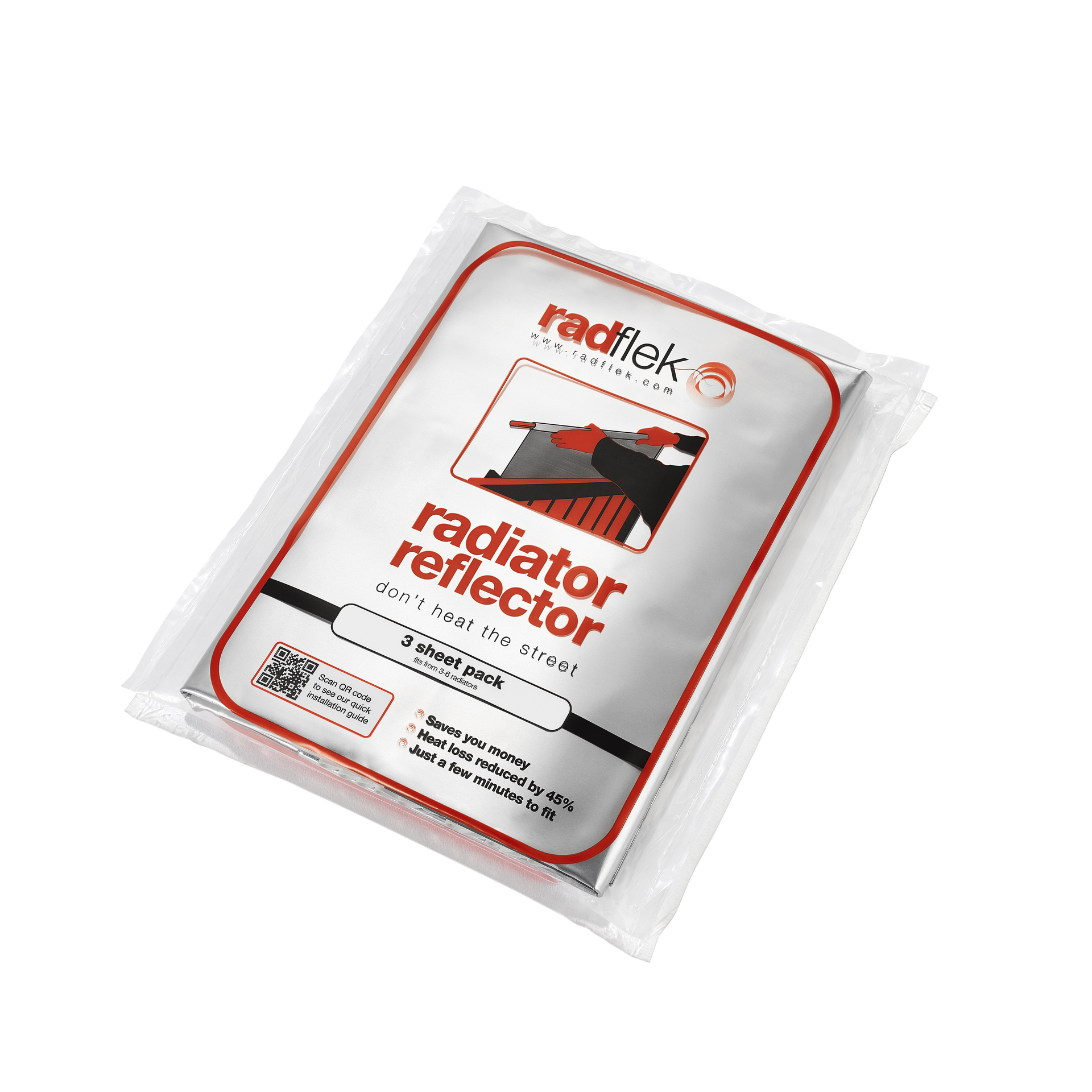
Not draught-proofing at all, but the same afternoon’s job — reflecting heat off an external wall
Worth including honestly: this isn’t a draught fix, it’s a heat-retention one, and it only makes sense behind a radiator on an external or otherwise uninsulated wall. A laminated foil panel goes up behind the radiator, cut to size, reflecting radiated heat that would otherwise pass into the wall back into the room. Three sheets with adhesive strips and clips, enough for three to six radiators, five minutes’ work per radiator, off and cool. Does nothing for a radiator on an internal wall — check which ones qualify first.
For
- Genuine, tested reduction in heat lost through an external wall
- Five minutes per radiator, no tools beyond scissors
Against
- Does nothing for radiators already on internal walls
- Not a draught fix — won’t touch a cold room from a gap elsewhere
Typically £20–£23
Check price on AmazonWhat actually matters — and what doesn’t
Percentage claims on the packaging are for that one gap, not the whole house. A chimney balloon tested to block a stated majority of airflow, or a radiator reflector rated to a lab percentage, measures one product in isolation. A house with six draughty gaps and one fixed still has five.
A whole-house kit rarely fits a whole house. Boxed multi-packs assume a standard door and window size an older house often doesn’t have. Buying per gap, measuring first, beats one kit that’s the wrong length for half the doors it’s meant for.
Sash windows need a different answer to a stick-on strip. Self-adhesive brush pile on a sash’s beading rarely lasts; proper sash draught-proofing fits brushes into machined grooves in the frame, a specialist joinery job, not a DIY kit item.
Fitting quality matters more than the spec. A brush seal stuck to a dusty or damp frame lifts within weeks regardless of how good it is. Clean and dry the surface first — the real cause of most draught-proofing that “didn’t work”.
Questions I get asked
Will draught-proofing my house cause condensation? Only if it seals something ventilating the house on purpose — a trickle vent, air brick or extractor route — rather than an accidental gap. Damp or misting afterwards means the house relied on that gap for ventilation more than anyone realised.
How much will this improve my EPC rating? Draught-proofing is one of the cheapest items on a typical EPC recommendation report and almost always cost-effective — but the SAP points earned per measure are small, and it rarely moves the letter band alone.
Do I need to draught-proof a chimney I never use? If genuinely disused — not swept, not lined, nothing lit — yes, and it’s usually the best single job here for the money. Never fit a balloon or wool pad to a flue still in use, and remove it before lighting one.
Will brush pile tape fix a draughty sash window? Not properly. Stuck to the beading it lifts within a season or two; proper sash draught-proofing fits brushes into machined grooves in the frame, a specialist joinery job, not a stick-on strip.
I don’t sell or fit any of this myself, but draught-proofing is one of the few things on an EPC report I’d tell a client to just go and do first. If sealing gaps like these hasn’t touched a cold room or damp patch that’s actually there, the cause is usually something else — a full EPC assessment shows what’s driving the numbers, and a ventilation assessment is the next call if sealing draughts made condensation worse, not better. For a window the film alone won’t fix, see double glazing costs. Get in touch, and there are more field-kit guides to work through.
Small print. This guide is general information, not a substitute for checking which gaps in your own house are accidental and which are deliberate ventilation before sealing anything. Prices are indicative, move constantly and are checked at the time of writing; the linked page always shows the current price. As an Amazon Associate I earn from qualifying purchases.